
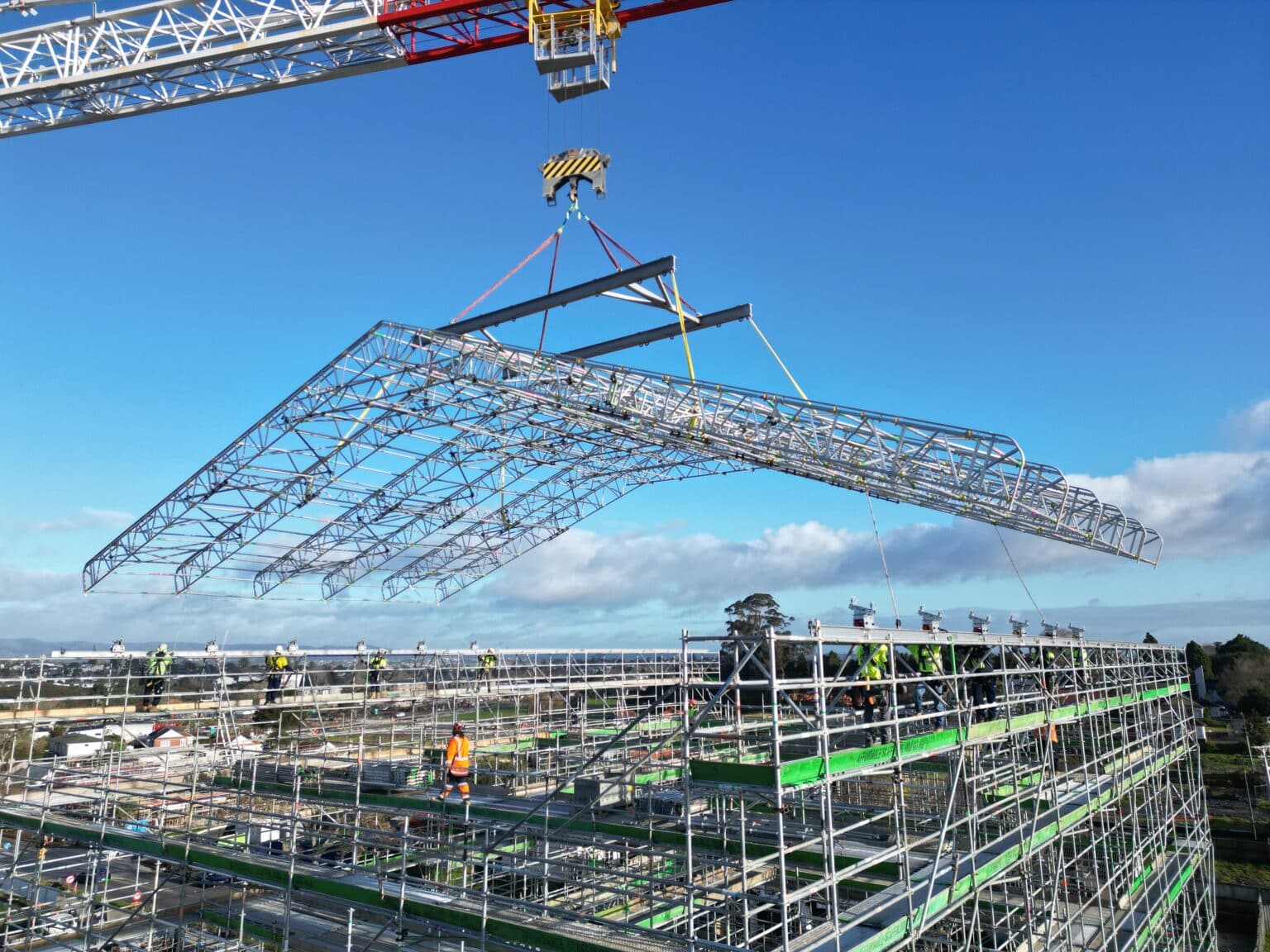
Temporary Roofing Systems: Protecting Projects from Weather Delays

Temporary roofing systems are a critical solution for construction, maintenance, and industrial projects exposed to unpredictable weather conditions. Across Queensland — where heavy rain, strong winds, and extreme heat can disrupt timelines — professionally installed temporary roofing systems provide reliable protection for workers, materials, and structural assets.

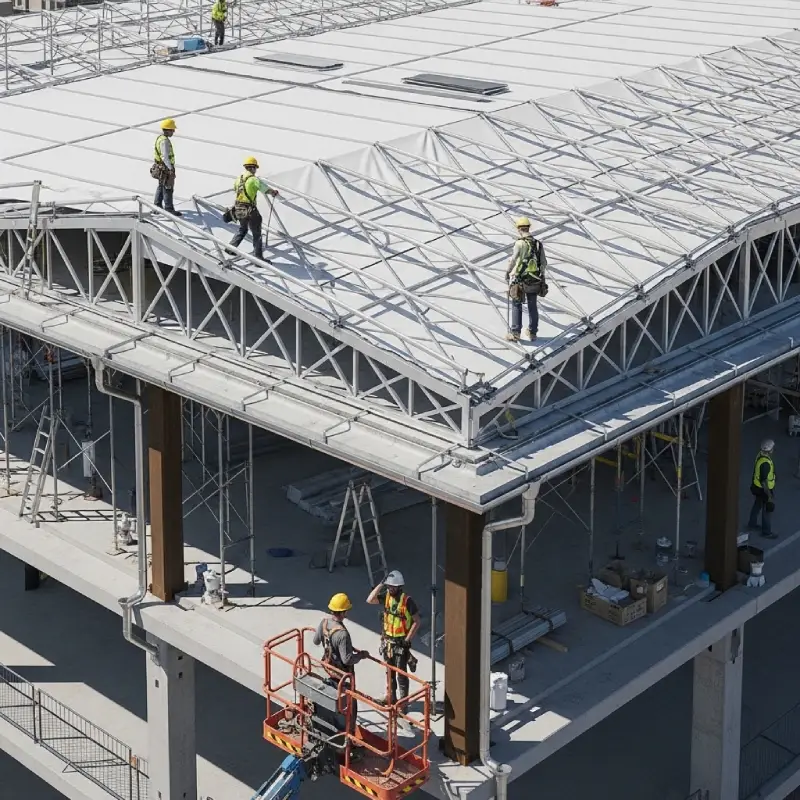
Unlike standard tarpaulins or makeshift coverings, engineered temporary roofing systems are built as integrated scaffold structures. They offer full-span coverage, structural stability, and compliance with Australian safety standards, ensuring projects continue safely regardless of environmental conditions.
Why Temporary Roofing Systems Are Essential

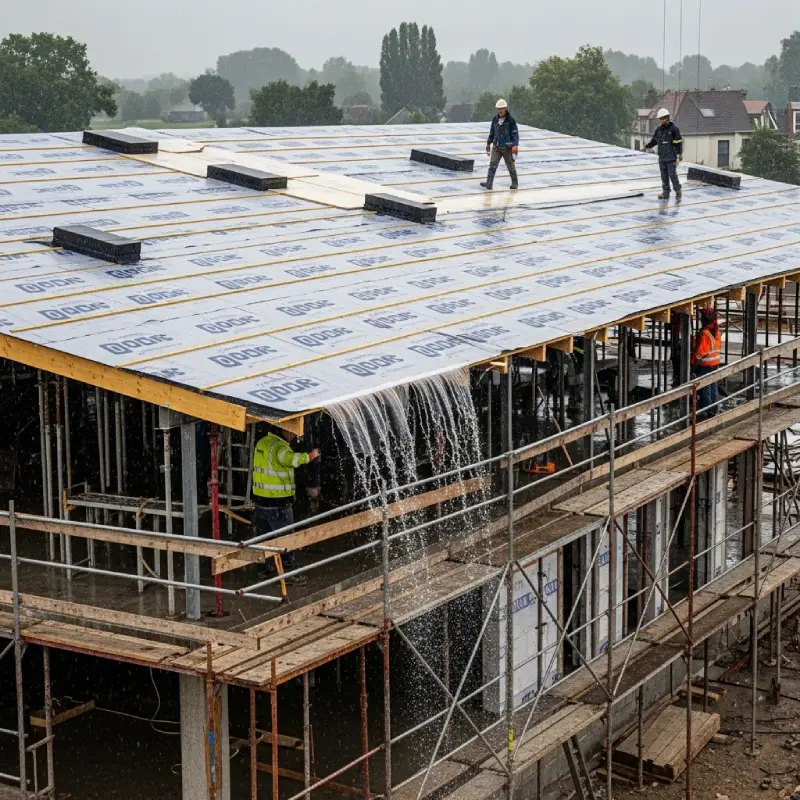
Weather delays can significantly impact construction schedules and budgets. Rain exposure can damage materials, compromise structural integrity, and create hazardous working conditions.

Temporary roofing systems help to:

  • Protect active construction sites from rain and wind
  • Prevent water damage to exposed structures
  • Maintain safe, dry working environments
  • Reduce costly project delays
  • Enable continuous progress during roof replacements or upgrades

For projects operating under strict timelines, weather protection is not optional — it is essential.

Applications Across Key Sectors

Construction & Renovations

Temporary roofing systems are widely used during roof replacements, structural upgrades, and multi-storey developments. They allow internal works to continue while protecting open structures from the elements.

Industrial Shutdowns

During shutdown or maintenance programs, facilities often require roof removal or structural access. Temporary roofing systems provide controlled protection for sensitive equipment and ongoing works.

Emergency Repairs

Following storm damage or structural failure, rapid deployment of temporary roofing can stabilise the site, prevent further deterioration, and ensure safe access for repair crews.

Infrastructure Projects

Large-scale infrastructure works often involve exposed surfaces. Engineered roofing systems help maintain productivity during unpredictable weather events.

Safety & Structural Integrity

Temporary roofing systems must comply with Australian Standards (AS/NZS 1576) and Work Health & Safety (WHS) legislation. Proper engineering design ensures:

  • Structural load capacity for wind and environmental forces
  • Secure anchoring and stabilisation
  • Safe access for workers below and above the structure
  • Controlled water runoff and drainage

Professional installation and inspection are essential to ensure system stability throughout the project duration.

Choosing the Right Temporary Roofing Provider

Effective temporary roofing requires experienced scaffold engineers and certified installation crews. A qualified contractor will assess site conditions, calculate load requirements, and deliver a system tailored to the specific project.

Temporary roofing systems are more than protective covers — they are engineered structures that safeguard progress, protect investments, and maintain operational continuity.

For projects across Townsville and regional Queensland, professionally installed temporary roofing systems ensure work continues safely, efficiently, and without weather-related disruption.

Request a Quote

Follow Us On

CONTACT INFO

Office Hours: 7:00am – 5:00pm

© 2025 Vikon Scaffolding. All Rights Reserved.

Website Powered: by Aussie Branding Solutions